How Pressure Tanks Support Your Well
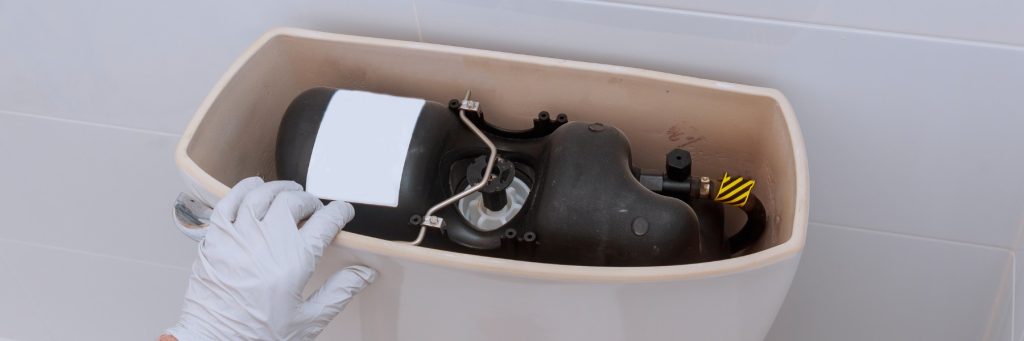
Water pressure tanks are vital components of modern well installations, acting as storage reservoirs that manage plumbing pressure. Without a functional tank, your pump would need to turn on every single time you open a faucet, even for a quick hand wash. This constant activation puts immense strain on mechanical starters and electrical motors.
The tank works by utilizing a pressurized bladder or air cushion to push water through your home’s pipes on demand. When water is drawn, the air pressure inside the tank forces the water out until the pressure drops to a pre-set limit. Only then does the well pump activate to refill the tank and restore pressure.
In Western North Carolina, where residential wells can be quite deep, minimizing pump cycles is essential for system longevity. A properly sized and pressurized tank keeps the system balanced, ensuring a steady stream of water at every fixture. Understanding this dynamic is key to preserving your home utility infrastructure.
Common Signs of Pressure Tank Failure
A failing pressure tank often reveals itself through a phenomenon known as pump short-cycling, where the pump turns on and off rapidly. This happens when the internal bladder ruptures or the tank loses its air charge, leaving no cushion to absorb pressure changes. If left unaddressed, short-cycling can quickly burn out your well pump motor.
Another clear sign of pressure tank trouble is fluctuating water pressure, where the flow cycles between strong and weak within seconds. You might also notice clicking sounds coming from the pressure switch near the tank as it struggles to regulate cycles. These physical symptoms indicate that the tank is no longer managing system storage properly.
Homeowners may also notice rust on the outer shell of the tank or water weeping from the air valve, signaling internal failure. When these signs appear, it is important to contact professionals to evaluate whether a tank replacement is necessary. Prompt action prevents secondary damage to connected pump components.
Choosing the Right Size for Your Household
Selecting the correct tank size depends on your household’s peak water usage and the delivery capacity of your well pump. Larger homes with multiple bathrooms and irrigation systems require tanks with higher drawdown capacities to prevent frequent pump starts. A professional assessment helps match the tank capacity with your pump’s optimal run times.
Installing an undersized tank forces the well pump to run more frequently, accelerating mechanical wear and increasing electric bills. Conversely, a properly sized tank allows the pump to run for longer, more efficient cycles, which helps cool the motor and extend its physical lifespan. Balancing these factors is critical for a dependable home water supply.
Modern water pressure tanks feature advanced materials that resist corrosion and prevent physical degradation over years of continuous service. Consulting with a well system expert ensures that your replacement tank meets both your immediate household needs and regional demands.
Extending the Lifespan of Your Water Tank
Maintaining your pressure tank involves periodic checks of the internal air pressure to ensure it aligns with the pump’s switch settings. This pressure check should be performed when the tank is completely empty of water to get an accurate reading. Minor adjustments to the air charge can prevent bladder stress and prolong tank utility.
It is also beneficial to inspect the area surrounding the tank for leaks, condensation buildup, or signs of external rust. Keeping the pump house dry and insulated helps protect the tank and its associated brass fittings from environmental damage. Regular visual checkups catch small issues before they turn into major plumbing headaches.
For complete peace of mind, incorporating tank checks into your annual system tune-up is highly recommended. Professional service providers can quickly test the integrity of the internal bladder and verify the calibration of your pressure switch. This simple maintenance routine keeps your entire home water system running smoothly.